Showing posts with label safe drinking water. Show all posts
Sunday, April 1, 2012
Where Can You Get Safe, Really Safe Drinking Water?
Safe Drinking Water Act (SDWA)
The Safe Drinking Water Act (SDWA) is the main federal law that ensures the quality of Americans’ drinking water.Under SDWA, EPA sets standards for drinking water quality and oversees the states, localities, and water suppliers who implement those standards.
SDWA was originally passed by Congress in 1974 to protect public health by regulating the nation’s public drinking water supply. The law was amended in 1986 and 1996 and requires many actions to protect drinking water and its sources: rivers, lakes, reservoirs, springs, and ground water wells.
Government scientists now generally agree, however, that many chemicals commonly found in drinking water pose serious risks at low concentrations.
And independent studies in such journals as Reviews of Environmental Contamination and Toxicology; Environmental Health Perspectives; American Journal of Public Health; and Archives of Environmental and Occupational Health, as well as reports published by the National Academy of Sciences, suggest that millions of Americans become sick each year from drinking contaminated water, with maladies from upset stomachs to cancer and birth defects.
Those studies have tracked hospital admissions and disease patterns after chemicals were detected in water supplies. They found that various contaminants were often associated with increased incidents of disease. That research — like all large-scale studies of human illnesses — sometimes cannot definitively say that chemicals in drinking water were the sole cause of disease.
But even the E.P.A., which has ultimate responsibility for the Safe Drinking Water
Act, has concluded that millions of Americans have been exposed to drinking water that fails to meet a federal health benchmark, according to records analyzed by The Times. (Studies and E.P.A. summaries can be found in the Resources section of nytimes.com/water.)
Safe Drinking Water for Traveling
Nothing ruins a good trip like getting sick — and we’re not talking about a few extra bathroom stops. Contaminated drinking water is one of the leading sources of health problems for travelers, and can cause anything from mild gastrointestinal distress to serious bacterial diseases.
The most common cause of water-borne illness is bacteria, such as E. coli, cholera
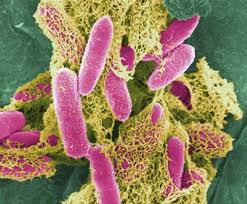
and salmonella, but illness can also be caused by protozoa (including giardia and cryptosporidium), viruses (like hepatitis A, polio and rotavirus) and chemical pollutants.
In many cases, travelers become ill simply because the pathogens in the water are foreign to their immune systems, while locals have adapted to the water supply and can drink it without problems.
The best way to protect yourself is to avoid local tap water and instead seek out bottled water; when that’s not available, boiling tap water generally kills most micro-organisms, and there are a number of good water filters and purification tablets that can easily be stowed in your carry-on.
Water Purification Tactics
Boiling water is generally the most effective way to remove parasite
contamination. Maintain a rolling boil for at least one minute (longer at higher altitudes, where the boiling point may be lower). Let the water cool itself slowly without adding ice. Allow any sediments and particles to settle before drinking, and then decant the water from the top into another container.
Commercially available iodine or chlorine tablets kill bacteria and viruses, but are ineffective against some protozoa (like cryptosporidium). Iodine is the more effective of the two solutions, but is not recommended for long-term use, especially by pregnant women or travelers with a history of thyroid problems. Potable Aqua, composed of the iodine compound tetraglycine hydroperiodide, is the most popular brand of water purification tablet. The company also offers chlorine dioxide tablets, which are effective against cryptosporidium as well as the other organisms killed by iodine. Read directions on all tablets systems for tablet-water ratios and dissolving times; 20 minutes or more may be required for the tablets to dissolve completely, especially in colder water.
If you do not have tablets, two drops of common chlorine bleach in a quart of water will help as a last resort.water filter filtration camp camping drink Outdoor stores like Cabela’s carry water filters and purification systems. It is essential that the filter system you choose is suited to your needs. A filter with an insufficiently small pore size, or one that is not designed to filter viruses, may permit some contaminants to get through. The most effective strategy is to buy a system that combines filtering with chemical purification — or make one yourself by using both a filter and an iodine treatment.
At Last, a Safe, Inexpensive and Trusted Way to Ensure Great Drinking Water Without Toxicity
Imagine, you and your family can have safe drinking water wherever you are for just pennies and without the need to boil water or use harsh chemicals or drugs. There are many ways to purify water that use harmful chemicals (chlorine) or boiling, but they are either harmful to your health or cumbersome when camping or hiking. NutraSilver weighs 1 ounce and can be carried where ever you go.
NutraSilver is a natural mineral and it is inexpensive (one 30ml bottle contains enough drops to purify approximately 1,200 liters of the most germ-laden water drinking water on earth). NutraSilver is easily supplied and is the favored colloidal silver of millions of people around the world today. Third-world countries use it to purify their drinking water and to wash their fruits and vegetables without fear of microbial infection.
Used as a water purifier, NutraSilver is portable and is now being used by backpackers, international travelers, soldiers and anyone who must have drinking water that is completely safe to drink. Sold globally for over 15 years, not one person has ever been harmed in any way and countries like Mexico use NutraSilver routinely in every aspect of their daily lives.
Monday, February 13, 2012
Safe Drinking Water While Backpacking
You can rack up quite a thirst while hiking, but you don’t want to be drinking water out in the woods without doctoring it up some. Yes, the good old boys in the old Westerns used to sip from the creek when thirsty (unless of course there was a skull nearby), but like a lot of movie stuff, don’t try that at home – or at camp. Read on . . . .
Today’s natural water sources are nearly always home to such invisible characters like Giardia lamblia, Cryptosporidium, and other nasty “bugs”. Generally, these protozoa and bacteria and viruses won’t kill you, but just make you wish you were dead before they run their course – run being the operative word here. Where’d these nasty’s come from? The worst come from mostly other people, or rather their feces to be more exact, but animal feces cause problems too – so sipping from the creek 100 years ago was still a risky proposition.
So what to do? If you can’t carry all the water you need from home or known potable source – like off the shelf at Kroger’s – here are some options.
Boiling works – just bringing a pot of water to rolling boil will wipe out everything you’d need to worry about as far as bacteria and viruses (boil longer at higher elevations), but does little for mud or chemicals in the water. Now you have hot muddy water, but drinkable.
Water filters – filters designed for backwoods use will take out most bacteria and chemicals, but not viruses – they’re too small for most filters to catch. Although viruses are generally the cause of traveler’s diarrhea – Montezuma’s Revenge, etc – in other countries, they are not considered that much of a threat in most North American wilderness areas. That threat seems to be increasing though, particularly in high-use camping areas.
Add treatment solutions – chlorine, if you use enough of it for long enough, will kill bacteria and viruses, but not do anything for chemicals and sediment and maybe not all protozoa . Iodine works like that as well, but may offer limited protection against Cryptosporidium. And either makes the water taste somewhere between the flavor of a public swimming pool and some first aid ointment. Chlorine is known as a toxic poison.
Most of the time, in most cases, in most hiking areas – catch that loophole? – a good water filter is all you need. Drop the inlet hose into the water source, pump away on the handle, and let the water from the outlet hose go into your water bladder or other container. It’s pretty safe to drink then.
If you want to go from “pretty safe” to “real safe”, invest in a few drops of chlorine-based treatment solution to wipe out anything that’s left. Add a few drops, shake, and let it sit for about 10 minutes to work its magic. Household bleach has the same basic ingredients, but the concentration levels are way out of whack compared to the stuff specifically designed for hiking-related water treatment.
The factual source we quote is from independent lab tests that follow strict qualification and testing/credentials guidelines which are posted on this site FDA-certified lab tests for water-borne pathogens
Imagine, you and your family can have safe drinking water wherever you are for just pennies and without the need to boil water or use harsh chemicals or drugs. There are many ways to purify water that use harmful chemicals (chlorine) or boiling, but they are either harmful to your health or cumbersome when camping or hiking. NutraSilver weighs 1 ounce and can be carried where ever you go.
NutraSilver is a natural mineral and it is inexpensive (one 30ml bottle contains enough drops to purify approximately 1,200 liters of the most pathogenic water drinking water on earth). NutraSilver is easily supplied and is the favored colloidal silver of millions of people around the world today. Third-world countries use it to purify their drinking water and to wash their fruits and vegetables without fear of microbial infection.
To find out how well NutraSilver works for water purification, just order today. We offer a 60-day money-back guarantee, so there’s no risk to you. It’s just our way of showing you how serious we are about NutraSilver’s ability to produce results.
One, one ounce bottle in your backpack and you are good to go! Get yours now.
Thursday, January 12, 2012
Backpacking and Safe Drinking Water
safety and quality of the water they
drinkThose who enjoy outdoors activity are constantly concerned about the . Tradition methods are far from ideal and create more gear to carry and more time to spend instead of enjoy the great outdoors! Never assume that untreated water is safe to drink just because a person is in the mountains or in a remote place. More than one thirsty backpacker has greedily quenched his or her thirst with unfiltered mountain water only to discover a dead animal or excrement only a little ways upstream.
The two major types of water impurities are biological and chemical. Most wilderness areas and hiking terrain are at higher elevations and above or up stream of any outposts of "civilization". So in most wilderness areas chemical contamination is not a real problem. The primary exception to this rule of thumb is in some desert areas where dissolved chemicals may reach toxic levels through evaporation.
Biological impurities on the other hand potentially exist in almost any water source except possibly right at a spring because they are carried not only by other hikers but also by animals. Biological contaminates may be microorganisms, bacteria, or viruses.
The two most common microorganisms to contaminate a hiker's water sources are Giardia and Cryptosporidiosis. Chemical treatments are typically less effective against these than boiling or filters.
Many different forms of bacteria and viruses may also cause discomfort if ingested from contaminated water sources. Coliform and E coli are bacteria sometimes found in water that may be contaminated with human or animal wastes. Microbes in these wastes can cause short-term effects, such as diarrhea, cramps, nausea, headaches, or other symptoms. Boiling and chemical treatments are typically more effective against bacteria and viruses than are filters.
Backpacking water purification by boiling does readily kill giardia. And you don't need to do it for five minutes as some literature states. Just bring the water to a boil and giardia will be dead.
The problem is that if you are on a major hike or backpacking trip, you probably don't have this overwhelming desire to carry the amount of fuel needed to boil water for days. You also may not want to spend your time doing this type of water purification, when you could be hiking or reading. If it's hot, and the humidity is low, you should be drinking about a quart an hour when you are backpacking. You can easily down 7-10 quarts a day. You'd spend all your time and fuel boiling drinking water for giardia if you had to purify water that way. More importantly, boiling does not kill most water-borne pathogens and leaves the hiker vulnerable to illness in the wilderness.
Water filters have been the preferred method of getting rid of water on the hiking trails of much of the world. In the United States, water filters are used in all wilderness areas. They have the advantage of "no taste."
The other main advantage is that they produce purified water relatively quickly. Once you run the water through the filter you can drink it immediately. The problem is that water filters are expensive, wear out (need filter replacement) and are usually bulky and heavy to carry.
and weights 1 ounce so it is easy to carry. There are approximately 600 drops per bottle so it lasts a long time. Since you are not primarily concerned about chemicals, your main interest is to kill pathogens in your drinking water. NutraSilver is totally non-toxic, unlike iodine and chlorine so it is perfectly safe to use.
NutraSilver has been used in third-world countries for over a decade and millions of lives have been saved by using this product. Every claim made here is supported by FDA-certified lab reports and can be viewed by clicking here.
drinkThose who enjoy outdoors activity are constantly concerned about the . Tradition methods are far from ideal and create more gear to carry and more time to spend instead of enjoy the great outdoors! Never assume that untreated water is safe to drink just because a person is in the mountains or in a remote place. More than one thirsty backpacker has greedily quenched his or her thirst with unfiltered mountain water only to discover a dead animal or excrement only a little ways upstream.The two major types of water impurities are biological and chemical. Most wilderness areas and hiking terrain are at higher elevations and above or up stream of any outposts of "civilization". So in most wilderness areas chemical contamination is not a real problem. The primary exception to this rule of thumb is in some desert areas where dissolved chemicals may reach toxic levels through evaporation.
Biological impurities on the other hand potentially exist in almost any water source except possibly right at a spring because they are carried not only by other hikers but also by animals. Biological contaminates may be microorganisms, bacteria, or viruses.
The two most common microorganisms to contaminate a hiker's water sources are Giardia and Cryptosporidiosis. Chemical treatments are typically less effective against these than boiling or filters.
Many different forms of bacteria and viruses may also cause discomfort if ingested from contaminated water sources. Coliform and E coli are bacteria sometimes found in water that may be contaminated with human or animal wastes. Microbes in these wastes can cause short-term effects, such as diarrhea, cramps, nausea, headaches, or other symptoms. Boiling and chemical treatments are typically more effective against bacteria and viruses than are filters.
Backpacking Water Purification by Boiling
Backpacking water purification by boiling does readily kill giardia. And you don't need to do it for five minutes as some literature states. Just bring the water to a boil and giardia will be dead.The problem is that if you are on a major hike or backpacking trip, you probably don't have this overwhelming desire to carry the amount of fuel needed to boil water for days. You also may not want to spend your time doing this type of water purification, when you could be hiking or reading. If it's hot, and the humidity is low, you should be drinking about a quart an hour when you are backpacking. You can easily down 7-10 quarts a day. You'd spend all your time and fuel boiling drinking water for giardia if you had to purify water that way. More importantly, boiling does not kill most water-borne pathogens and leaves the hiker vulnerable to illness in the wilderness.
Water Filters
Water filters have been the preferred method of getting rid of water on the hiking trails of much of the world. In the United States, water filters are used in all wilderness areas. They have the advantage of "no taste."The other main advantage is that they produce purified water relatively quickly. Once you run the water through the filter you can drink it immediately. The problem is that water filters are expensive, wear out (need filter replacement) and are usually bulky and heavy to carry.
Chemical Treatment of Water
Chemical treatment of water offers yet another option. Many wilderness veterans swear by the use of iodine tablets or iodine crystals. One advantage that iodine has over filters is weight and bulk. A small bottle of iodine tablets weighs only a couple of ounces and takes up hardly any space in the backpack. Disadvantages for iodine treatment include off-taste, discoloration of plastic drinking containers.Chlorine
Probably the least effective, chlorine is somewhat unstable, adds some taste to the water, and leaves behind some chemical residue now associated with a small cancer risk. Commonly known for it's toxicity.Iodine
More effective than chlorine, but deteriorates when exposed to sunlight, and leaves behind an unpleasant taste, iodine is another option. It may not be suitable for people with certain types of thyroid conditions.A New Natural Way to Purify Water
There is a new product, NutraSilver that kills all water-borne pathogens very quickly. It cost about $ .05 per literand weights 1 ounce so it is easy to carry. There are approximately 600 drops per bottle so it lasts a long time. Since you are not primarily concerned about chemicals, your main interest is to kill pathogens in your drinking water. NutraSilver is totally non-toxic, unlike iodine and chlorine so it is perfectly safe to use.
NutraSilver has been used in third-world countries for over a decade and millions of lives have been saved by using this product. Every claim made here is supported by FDA-certified lab reports and can be viewed by clicking here.
Why NutraSilver?
Well, NutraSilver weighs one ounce. You no longer need to carry supplies to boil water, nor do you have to ingest and toxicity like chlorine pills. NutraSilver is safe, easy to use and kills bacteria, fungus and viruses. And the best part? You can make 1,200 liters of safe drinking water in just one, one ounce bottle! So, where can you get this amazing water purifier? Right here!Saturday, December 31, 2011
Children and the Risks of Contaminated Water
Know the facts about your children’s drinking water
The following excerpt from a report entitled Just Add Water from the Environmental Working Group by Brian A. Cohen, Richard Wiles, Erik D. Olson, and Chris Campbell, should help families recognize the importance of drinking pure, contaminant free water.
Drinking water standards have many other shortcomings beyond their failure to regulate common drinking water contaminants such as radon, Cryptosporidium and pesticides like cyanazine. One of the most serious is the fact that most current federal drinking water standards do not make any specific accommodation for the special risks and heavy consumption of water by infants and young children.
One-year-olds drink more than twice as much water relative to their size as adults. Measured in terms of total fluid intake, an adult would have to drink 35 cans of soda per day to match the drinking habits of the average one-year-old. Because of this, infants and young children are exposed to more water-borne contaminants, relative to their size, than adults. (emphasis mine) This higher exposure combined with the increased vulnerability of infants to many chemical and microbiological contaminants, means infants and young children face increased risks from virtually all contaminants in drinking water, and that current standards almost always do not provide adequate protections for this vulnerable portion of the population.
In October of 1995, the EPA announced a new policy to protect infants and children from exposure to toxic substances. At that time, EPA Administrator Carol Browner noted that the policy:
“…will, for the first time, ensure that we consistently and explicitly evaluate environmental health risks of infants and children in all risk assessments, risk characterizations, and environmental and public health standards that we set for the nation.” (EPA 1995)
In justifying the need for this new policy the EPA cited two National Academy of Sciences studies (NRC 1993, NRC 1994) that called for major policy changes at the EPA to integrate explicit protections for children when evaluating health risks from environmental contaminants.
To date, just two (lead and nitrate) of the more than eighty drinking water standards have been set explicitly to protect infants and children from immediate or long term health risk. No standards have been modified since the EPA policy was announced.
Similarly, drinking water standards do not account for multiple contaminants in a single glass of water. Instead, they are set as though people are exposed to one contaminant at a time, which very often is not the case.
Biological Contaminants
E. coli, giardia and cryptosporidia cysts can all cause gastro-intestinal problems where dehydration from diarrhea and vomiting may be more severe and rapid than in adults. These contaminants can cause death. In 1998, EPA established the Interim Enhanced Surface Water Treatment Rule, which strengthens control over microbial contaminants, including the pathogen, Cryptosporidium. By 2002, public water systems using surface water (or ground water under the direct influence of surface water) and serving more than 10,000 people must comply with the rule. States must adopt the new standards by 2001. In some people, particularly children under 5 years of age and the elderly, E. coli 0157:H7 infection can also cause a complication called hemolytic uremic syndrome, in which the red blood cells are destroyed and the kidneys fail. About 2% of infections lead to this complication.
What can you do to protect your children from Pathogens in their drinking water?
Imagine, you and your family can have safe drinking water wherever you are for just pennies and without the need to boil water or use harsh chemicals or drugs. There are many ways to purify water that use harmful chemicals (chlorine) or boiling, but they are either harmful to your health or cumbersome when camping or hiking. NutraSilver weighs 1 ounce and can be carried where ever you go.
NutraSilver is a natural mineral and it is inexpensive (one 30ml bottle contains enough drops to purify approximately 1,200 liters of the most germ-laden water drinking water on earth). NutraSilver is easily supplied and is the favored colloidal silver of millions of people around the world today. Third-world countries use it to purify their drinking water and to wash their fruits and vegetables without fear of microbial infection.
Protect your family, get some NutraSilver now.
The following excerpt from a report entitled Just Add Water from the Environmental Working Group by Brian A. Cohen, Richard Wiles, Erik D. Olson, and Chris Campbell, should help families recognize the importance of drinking pure, contaminant free water.
Drinking water standards have many other shortcomings beyond their failure to regulate common drinking water contaminants such as radon, Cryptosporidium and pesticides like cyanazine. One of the most serious is the fact that most current federal drinking water standards do not make any specific accommodation for the special risks and heavy consumption of water by infants and young children.
One-year-olds drink more than twice as much water relative to their size as adults. Measured in terms of total fluid intake, an adult would have to drink 35 cans of soda per day to match the drinking habits of the average one-year-old. Because of this, infants and young children are exposed to more water-borne contaminants, relative to their size, than adults. (emphasis mine) This higher exposure combined with the increased vulnerability of infants to many chemical and microbiological contaminants, means infants and young children face increased risks from virtually all contaminants in drinking water, and that current standards almost always do not provide adequate protections for this vulnerable portion of the population.
In October of 1995, the EPA announced a new policy to protect infants and children from exposure to toxic substances. At that time, EPA Administrator Carol Browner noted that the policy:
“…will, for the first time, ensure that we consistently and explicitly evaluate environmental health risks of infants and children in all risk assessments, risk characterizations, and environmental and public health standards that we set for the nation.” (EPA 1995)
In justifying the need for this new policy the EPA cited two National Academy of Sciences studies (NRC 1993, NRC 1994) that called for major policy changes at the EPA to integrate explicit protections for children when evaluating health risks from environmental contaminants.
To date, just two (lead and nitrate) of the more than eighty drinking water standards have been set explicitly to protect infants and children from immediate or long term health risk. No standards have been modified since the EPA policy was announced.
Similarly, drinking water standards do not account for multiple contaminants in a single glass of water. Instead, they are set as though people are exposed to one contaminant at a time, which very often is not the case.
Biological Contaminants
E. coli, giardia and cryptosporidia cysts can all cause gastro-intestinal problems where dehydration from diarrhea and vomiting may be more severe and rapid than in adults. These contaminants can cause death. In 1998, EPA established the Interim Enhanced Surface Water Treatment Rule, which strengthens control over microbial contaminants, including the pathogen, Cryptosporidium. By 2002, public water systems using surface water (or ground water under the direct influence of surface water) and serving more than 10,000 people must comply with the rule. States must adopt the new standards by 2001. In some people, particularly children under 5 years of age and the elderly, E. coli 0157:H7 infection can also cause a complication called hemolytic uremic syndrome, in which the red blood cells are destroyed and the kidneys fail. About 2% of infections lead to this complication.
What can you do to protect your children from Pathogens in their drinking water?
Imagine, you and your family can have safe drinking water wherever you are for just pennies and without the need to boil water or use harsh chemicals or drugs. There are many ways to purify water that use harmful chemicals (chlorine) or boiling, but they are either harmful to your health or cumbersome when camping or hiking. NutraSilver weighs 1 ounce and can be carried where ever you go.
NutraSilver is a natural mineral and it is inexpensive (one 30ml bottle contains enough drops to purify approximately 1,200 liters of the most germ-laden water drinking water on earth). NutraSilver is easily supplied and is the favored colloidal silver of millions of people around the world today. Third-world countries use it to purify their drinking water and to wash their fruits and vegetables without fear of microbial infection.
Protect your family, get some NutraSilver now.
Subscribe to:
Posts (Atom)


